Selecting the Right Heat Sealers for Packaging Material
Choosing the correct heat sealer depends on your specific packaging materials and operational requirements.
Impulse vs. Constant Heat
Impulse sealers work best for thermoplastic materials like polyethylene that require cooling under pressure to form strong bonds. These units generate heat only during the sealing cycle, making them energy-efficient for standard poly tubing and anti-static bags.
However, continuous heat sealers are mandatory for thick laminates, foils and coated papers used in MIL-SPEC applications. These continuous-heat units maintain a steady thermal output essential for fusing multilayered materials that impulse sealers cannot handle effectively.
Seal Width
A 1-inch wide seal is the standard for military packaging applications, following MIL-PRF-131 specifications, to ensure seal strength exceeds minimum tensile requirements. This wider seal provides the aggressive bond necessary for heavy-duty barrier films and static shielding materials.
Portable or Stationary
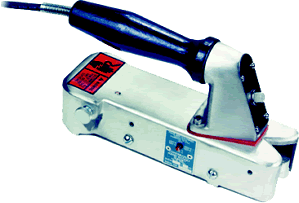
For equipment mobility, handheld heat sealers allow operators to seal large machinery shrouds and custom enclosures on-site. Tabletop units maximize throughput for high-volume pouch production in controlled environments.
3-Step Maintenance Checklist for Consistent Seals
Regular maintenance prevents seal failures and extends the lifespan of equipment and MIL-SPEC heat sealers. Follow this systemic approach:
- Inspect heating elements: Check for breaks or hot spots after every 40 hours of operation. Damaged elements create uneven heat distribution, resulting in weak seals or material burn-through. Replace worn elements immediately to maintain consistent thermal output.
- Replace Teflon covers: Worn Teflon tape causes material sticking and carbon buildup on sealing surfaces. Replace covers immediately when burnt, tattered or showing adhesive residue. Fresh Teflon ensures proper heat seal packaging and prevents contamination.
- Calibrate dwell time: Perform pass/fail seal tests at the start of each shift to verify timer settings achieve complete bonding without melting the outer material layer. Adjust dwell time based on material thickness and ambient temperature conditions.
Frequently Asked Questions About Packaging Heat Sealers
Here are answers to common questions you may have about heat sealers for military packaging.
What Type of Heat Sealer Is Right for My Application?
Choose constant rotary heat sealers for MIL-SPEC foils, Kraft laminates and Cellophane. Use impulse sealers for standard poly tubing and anti-static bags.
How Do I Maintain My Heat Sealer?
Clean the sealing jaws daily with a nonabrasive cloth to remove residue buildup. Replace worn covers weekly during heavy use and inspect silicone rubber pressure pads for gouges or cuts that create air gaps during sealing.
Can I Use One Sealer for All Materials?
No. Switching between high-temperature foils and low-melt polyethylene requires significant temperature adjustments and can degrade consumable parts faster.
Protect Your Critical Shipments
Reliable heat sealing prevents moisture ingress and corrosion damage in sensitive electronic and military components during transport and storage. The right equipment ensures protective packaging throughout demanding supply chains.
Contact Edco Supply Corporation or request a quote for equipment compatible with your specific barrier materials and operational requirements.